
Quiet Brilliance: The Evolution of Minimalist Design Aesthetics

Chosen theme: The Evolution of Minimalist Design Aesthetics. Journey through the calm power of simplicity, from early philosophies to digital interfaces shaping our days. Read, reflect, share your examples, and subscribe to follow each new chapter of this evolving, beautifully restrained story.

Roots of Restraint: From Zen to Bauhaus

Zen, Ma, and the Beauty of Space

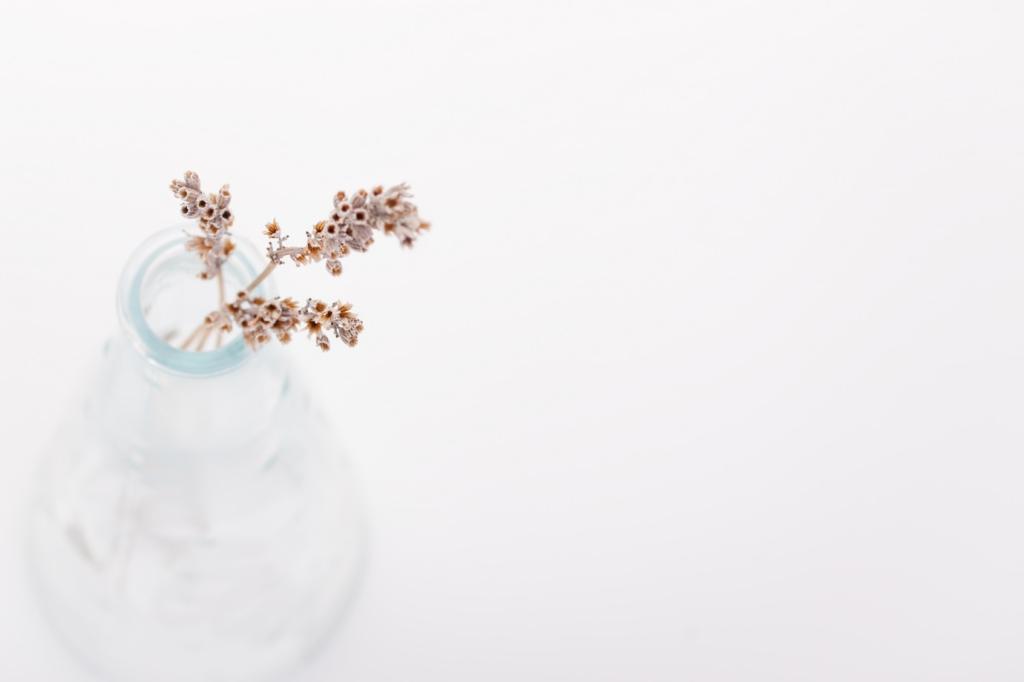
In Japanese aesthetics, Ma describes meaningful emptiness, the pause that gives shape to everything around it. Minimalist design echoes this by allowing negative space to speak. Think of a quiet garden path or a single branch in a vase, inviting contemplation instead of distraction.

Dieter Rams and Essential Usefulness

Dieter Rams articulated principles that prize usefulness, honesty, and longevity. Minimalism becomes a discipline of caring for people, not a cold aesthetic. When a product removes friction and reduces choices to the meaningful few, it brings quiet relief to daily routines and decisions.

Negative Space as Narrative

Empty space is not empty at all. It guides attention, sets pacing, and shapes meaning. By removing visual noise, designers let essential elements breathe and speak. Consider how a single headline on a clean page can feel like a confident whisper rather than a shout.

Material Honesty and Restraint in Color

Minimalism favors materials shown as themselves and palettes that support clarity. Natural textures and carefully limited hues prevent fatigue and focus the message. Whether designing a chair or a landing page, fewer tones often mean more nuance. Share your go-to minimalist palette and why it endures.

Typography, Grids, and the Whisper of White Space

Grotesk Lineage and Present Calm

From Helvetica to contemporary grotesks, minimalist typography balances neutrality with personality. The best choices fade into clarity, making content effortless to consume. Track widths, leading, and optical sizes matter. Subtle typographic tuning transforms flat layouts into experiences that feel attentive, thoughtful, and sincerely helpful.

Grid Systems as Invisible Architecture

Grids align content, regulate rhythm, and turn randomness into intention. In print and on screens, modular systems help designers balance complexity with control. Responsive grids extend this logic across devices, proving minimalist order can be flexible. Which grid trick keeps your layouts steady under pressure?

Color Minimalism, From Monochrome to Warm Neutrals

Monochrome once defined minimalist cool, but warm neutrals now soften stark edges. Fewer colors do not mean fewer emotions. Subtle contrast, careful tints, and restrained accent hues create depth without noise. Share a minimalist color pairing that surprised you with its humanity and long-term comfort.

From Skeuomorphism to Flat and Beyond

When mobile interfaces shed shadows and stitched leather, clarity rose. The move toward flat visual language reduced cognitive load and improved legibility. Buttons looked simpler, content stood out, and motion took on meaning. Many users felt interfaces grow calmer, even if some missed tactile cues.

Objects and Interiors: Minimalism You Can Touch

Muji champions everyday essentials stripped of ego, prioritizing function and calm. The result feels generous rather than austere. Edges soften, labels quiet down, and use becomes intuitive. Minimalist objects disappear into life, making room for people and moments instead of demanding attention for themselves.

Stories, Critiques, and Human Texture

Critics argue that spacious minimalism sometimes requires resources many lack. Storage, quality materials, and maintenance cost money. A thoughtful response embraces inclusivity: modular organization, secondhand finds, and community repair. Minimalism evolves when it serves broader realities rather than performing purity for its own sake.
Warm minimalism welcomes books, blankets, and plants. It accepts traces of life as part of the composition. Instead of policing surfaces, it curates what matters and lets the rest breathe. Tell us how you balance clarity with comfort, and what you refuse to overly optimize.
A reader cleared a chaotic desk, keeping only a notebook, lamp, and photo. Emails felt lighter, decisions faster, and afternoons less frantic. That small choice became a ritual. Have a similar story tied to the evolution of your own minimalist habits? Share it and inspire someone today.

The Next Quiet Wave

Generative tools can propose fewer, clearer options instead of infinite clutter. Imagine systems that suggest typographic scales, grid templates, and content priorities aligned with accessibility. When automation amplifies clarity and ethics, minimalism gains sharper focus. What AI feature would help you remove noise thoughtfully?

The Next Quiet Wave

As screens retreat, interfaces dissolve into environments. Subtle light cues, haptics, and voice guidance reduce visual overload. The minimalist challenge shifts from flatness to presence: how to be helpful without being obtrusive. Share a moment when technology felt invisible and perfect, doing just enough and no more.

The Next Quiet Wave

The future of minimalist aesthetics is intertwined with ecological responsibility. Design fewer objects, made to last, built for repair and reuse. Materials carry stories of origin and return. What product would you redesign for a longer life, and how would its quiet form honor that purpose?

The Next Quiet Wave

Lorem ipsum dolor sit amet, consectetur adipiscing elit. Ut elit tellus, luctus nec ullamcorper mattis, pulvinar dapibus leo.

Biblicalnewsreport
Privacy Overview

This website uses cookies so that we can provide you with the best user experience possible. Cookie information is stored in your browser and performs functions such as recognising you when you return to our website and helping our team to understand which sections of the website you find most interesting and useful.